
 #019
#019#019 / PEAK DISTRICT
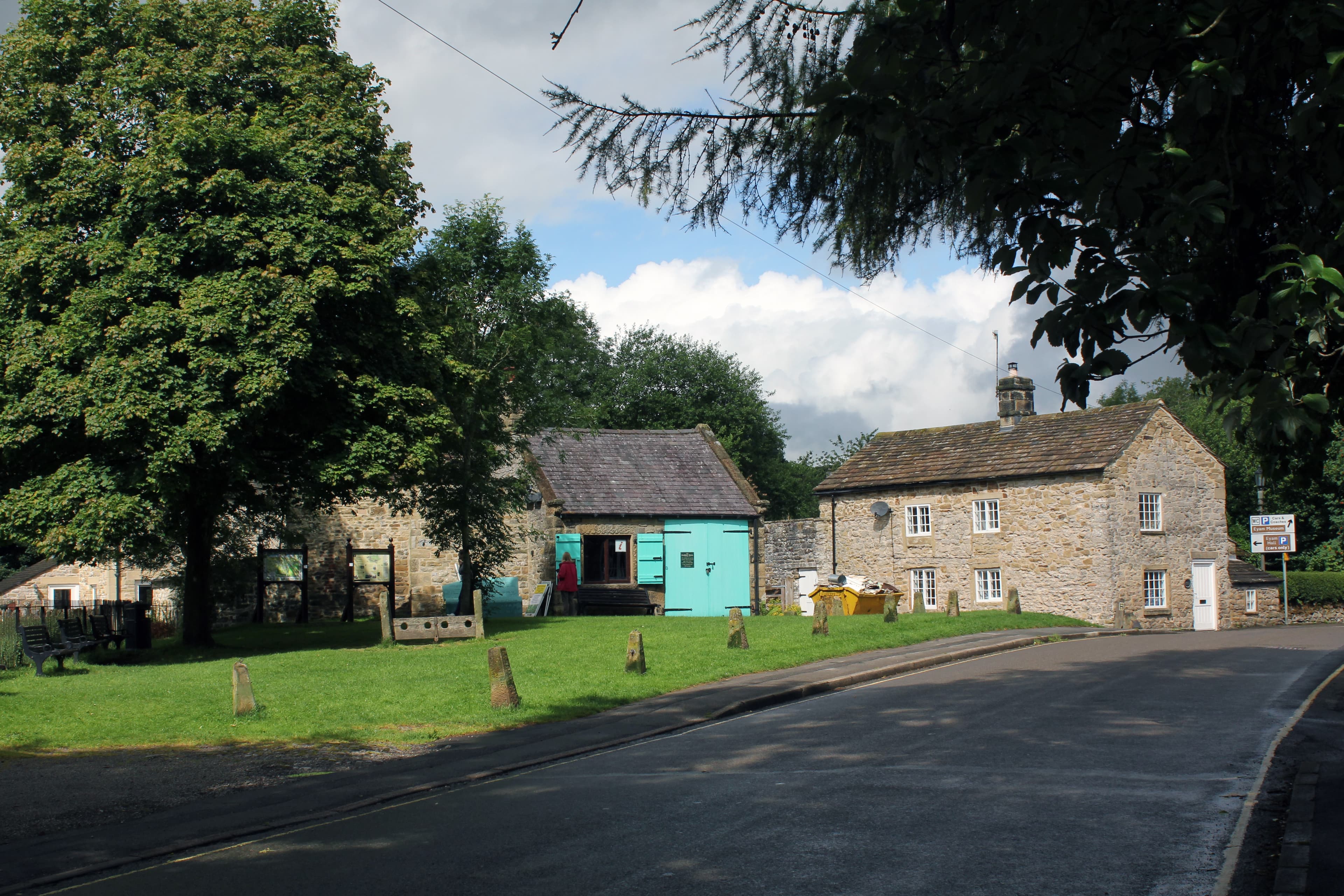
Eyam
A Peak District village whose cottages, church and memorials preserve the story of its 1665-1666 plague quarantine.
- Category
- historic landmark
- Rarity
- Uncommon
- Base reward
- 200 XP
How collecting works
Rarity is an editorial measure of how collectible a place is within Unfound Earth—not how difficult, dangerous, or accessible it is to visit. Rarer finds award more XP. Marking a place FOUND adds it to your collection and awards its base XP once.
YOUR COLLECTION
UNFOUND
Sign in to mark this place FOUND and add it to your collection.
SIGN IN TO MARK FOUNDFROM DISCOVERY TO EXPERIENCE
Plan your visit
Explore the place. Choose your own way to experience it.
Daylight today
Daylight
- Sunset
- Daylight
- 11h 19m
Mountain forecast
Met Office
Peak District mountain forecast (opens in a new tab)View details
Daylight today
- Sunrise
· Place-local times.
Mountain forecast
Specialist regional forecast from the Met Office, not a forecast for this exact place.
Overview
Eyam's story includes the village's isolation during the plague of 1665-1666, alongside its wider social and industrial history. The collectible is the historic village, not admission to Eyam Museum or any other individual attraction.
Source: Eyam Museum · Wikipedia contributors
Getting there
Eyam Museum's village guide lists car parks and public toilets on Hawkhill Road, opposite the museum. That is arrival information for the village; the catalogue pin represents its centre rather than the museum entrance.
Source: Eyam Museum
Useful information
Access
The village guide identifies places including St Lawrence's Church, the Boundary Stone, Riley Graves and Eyam Hall. These have separate locations and visitor arrangements; a village listing does not imply access to every building or private property.
Source: Eyam Museum